
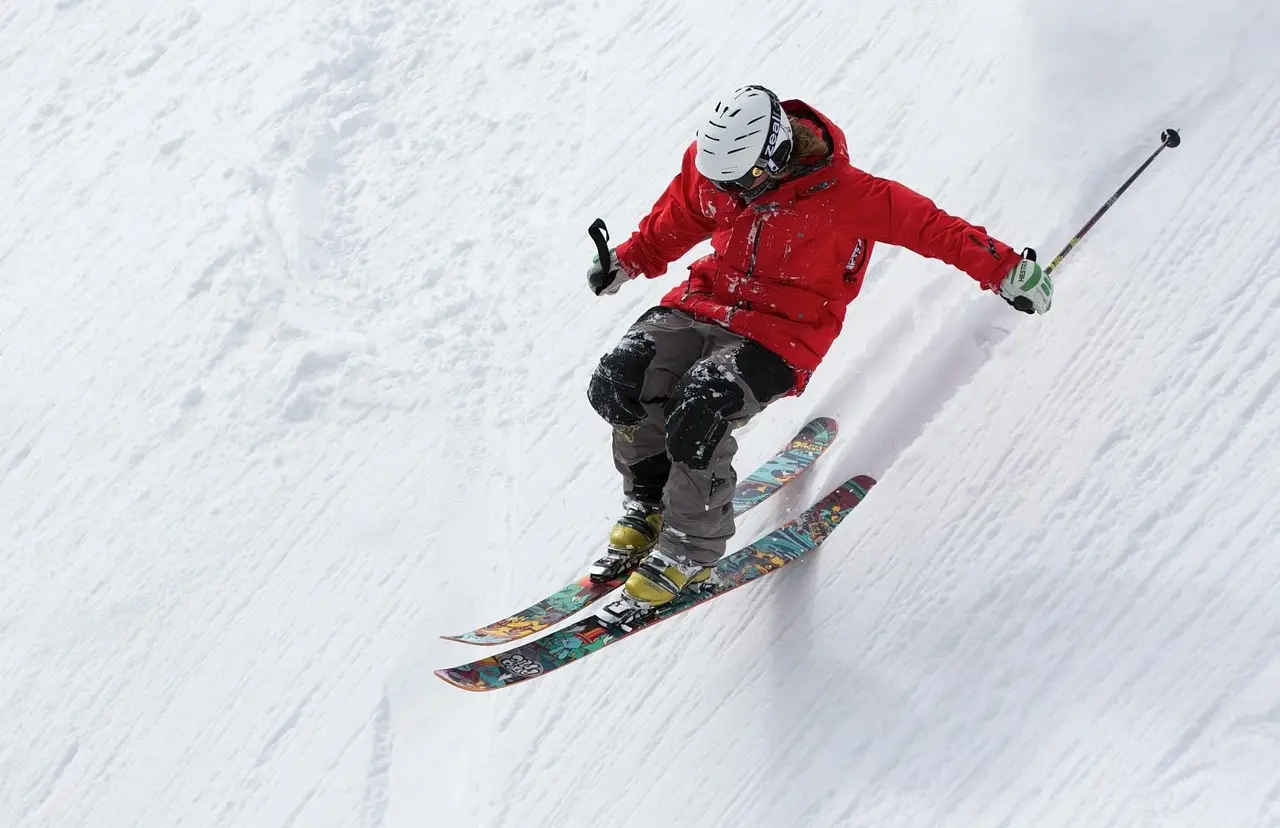
A day outdoors can go from enjoyable to miserable when your body cannot keep a steady temperature. On a ski lift your hands cool down fast, while on a steep walk you may overheat within minutes. The result is often the same: you stop focusing on the activity and start thinking about how cold or clammy you feel.
Temperature regulating clothing is built to reduce those swings. It combines smart fabrics, insulation, and in some cases built in heating or cooling, so you can stay comfortable across changing conditions.
How temperature regulating clothing works
Most products fall into two categories.
First, there are breathable insulating layers that trap warmth when you are still, but let moisture escape when you move. These are ideal for people who want a simple layering system for skiing, hiking, or commuting.
Second, there are active systems such as heated vests, heated jackets, heated gloves, and heated socks. These use thin heating panels placed in key zones like the chest and back, powered by a rechargeable battery. Many models offer multiple heat settings, so you can choose low heat for steady warmth or higher heat for chairlift rides and long stops.
Cooling clothing is less common in winter sports, but it can be useful for warm weather travel or for people working in heat. It focuses on sweat management and heat release rather than adding warmth.
Benefits for skiers, hikers, and outdoor workers
The biggest advantage is comfort, but there are practical knock on effects too.
- Warm fingers make it easier to handle zips, bindings, and tools
- A warm core can support circulation to hands and feet
- Better moisture control reduces the risk of getting chilled after intense effort
- Stable warmth can help you stay outside longer without constantly changing layers
This is why searches like best heated clothing for skiers and effective layering for cold climates have become more common. People want gear that adapts, not just thicker jackets.
A quick buying checklist
Before you buy, match the item to your use case.
Activity and intensity
If you do high output sports like ski touring or fast hiking, prioritise breathability and easy venting. If you stand still a lot, for example fishing, spectating, or working outdoors, heated clothing can be more effective.
Heat zones and fit
Look at where the warmth is delivered. For many people, a heated vest or jacket that warms the core is the most versatile starting point. Fit matters: too loose and you lose heat transfer, too tight and movement suffers.
Battery runtime
Check expected battery life on low and high settings. For full day trips, consider whether you can carry a spare battery and how easy it is to remove for charging.
Weather protection and care
Wind resistance helps in exposed areas. Water resistance matters for wet snow. Also check washing instructions, especially for heated garments.
Practical layering that still works
Even with heated gear, layering is the foundation.
- Base layer that wicks moisture
- Mid layer for insulation, which can be heated or non heated
- Shell layer for wind and rain
If you want to compare options such as heated socks for cold feet, heated gloves for skiing, or a heated vest for winter hiking, it helps to browse a specialist range with clear product details. You can explore examples and selection advice at bertschat.co.uk.
Choosing temperature regulating clothing is not about buying the most expensive item. It is about matching warmth, breathability, and power to your real conditions, so you stay comfortable from the first step to the last run.