|
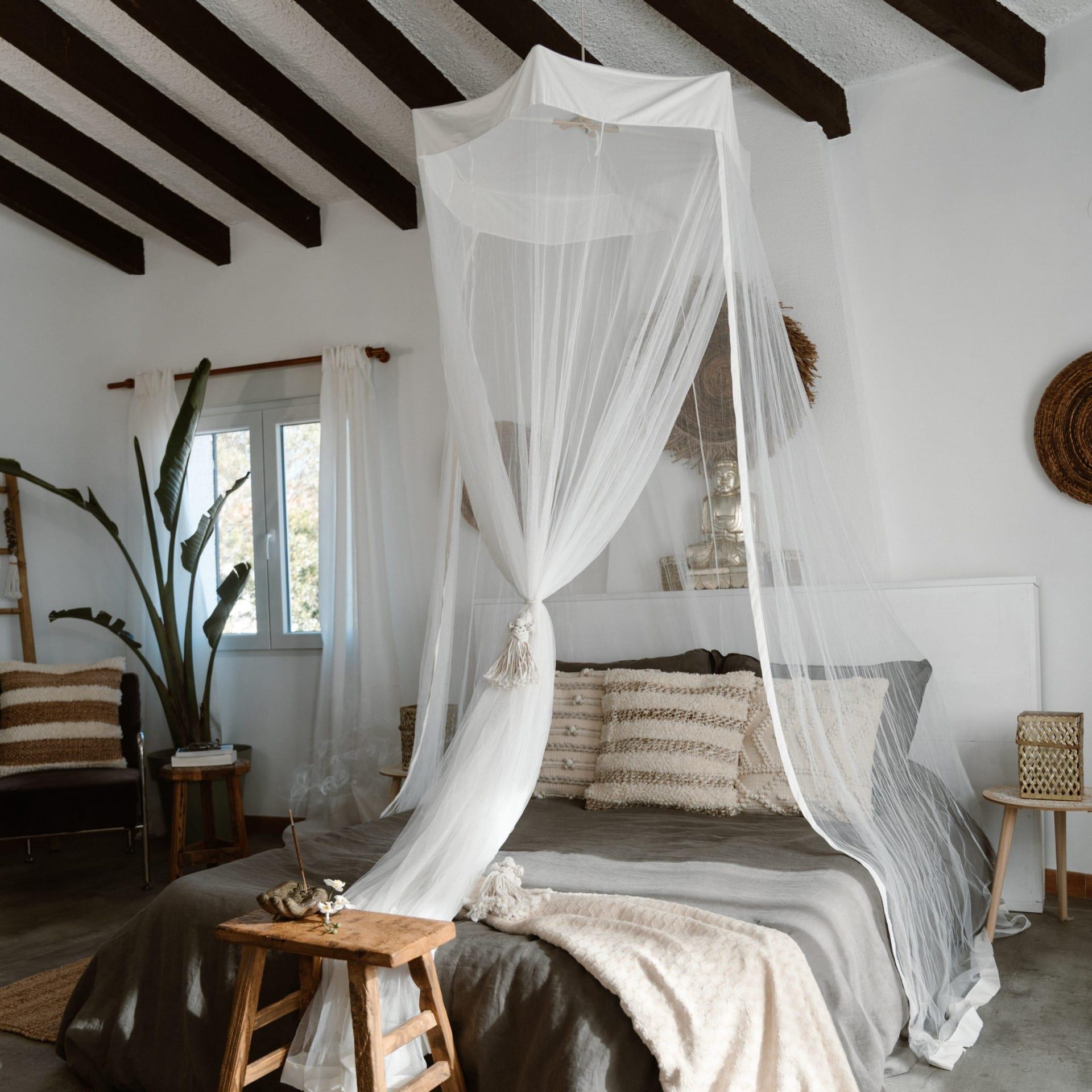
A restful bedroom is not necessarily an empty bedroom. The most inviting spaces often combine softness, texture and carefully chosen details without feeling crowded. That balance is central to the philosophy behind Nusarah, a brand inspired by nature, craftsmanship and the relaxed elegance associated with Bali. By treating practical objects as part of the interior rather than as afterthoughts, a bedroom can become both comfortable and visually distinctive. Start with atmosphere, not furnitureWhen people redesign a bedroom, they often begin with the largest pieces: the bed, wardrobe or bedside tables. Yet atmosphere is created just as much by what surrounds those objects. Fabric, filtered light, natural textures and subtle movement can soften the harder lines of a room. A mosquito net is a good example. Traditionally, it has a clear practical purpose, but its shape also changes how a bed is perceived. Flowing fabric creates a sense of enclosure without making the space feel closed. In a minimalist bedroom it can introduce softness, while in a bohemian interior it can reinforce a layered character. The most successful bedrooms feel composed rather than decorated. Individual elements do not compete for attention; they support the same mood.
Natural materials bring quiet textureTexture matters in a room where visual calm is important. Smooth surfaces can be useful, but a completely uniform interior may quickly feel flat. Cotton, canvas, wood and other tactile materials introduce small irregularities that make a space feel warmer. Cotton mosquito nets are particularly suitable when softness and breathability are part of the desired atmosphere. Their drape tends to feel relaxed, while polyester can provide a lighter and more structured appearance. The right choice depends on the room, the desired look and how the net will be used. The same principle applies to cushions, blankets and bedspreads. Instead of adding many different colours, it is often more effective to work with related tones and vary the textures. A woven blanket next to smooth bedding can create more depth than another decorative object. Give the bed visual spaceA calm bedroom benefits from breathing room. This does not mean that the room must be large. It means that the eye should be able to understand the layout quickly. Around a mosquito net, enough space should remain for comfortable movement. The fabric should frame the sleeping area rather than interfere with it. In rooms with sloped ceilings or unusual walls, flexible suspension points can help preserve both function and symmetry. Lighting also changes the effect. Soft light from the side creates gentle shadows in fabric and emphasizes texture. Bright overhead lighting often makes every surface appear sharper. Layered lighting therefore works especially well where textiles play an important role. Choose objects that earn their placeA serene interior does not require strict minimalism. Personal objects can add warmth and identity, provided they have a reason to be there. A handmade tassel, a carefully selected cushion or a lightweight throw can contribute without making the room visually busy. This approach also encourages deliberate purchasing. Items made in small batches, designed for long-term use and produced with attention to materials can become lasting parts of an interior. Craftsmanship is often visible in details that seem minor at first: stitching, edging, rings, fabric density and the way different materials meet. Care is part of the designTextiles remain attractive longer when they are treated with care. Regular airing helps keep fabrics fresh, while cleaning should follow the instructions for the specific material. Delicate cotton pieces often benefit from gentler handling than more robust synthetic fabrics. Storage matters too. A breathable cotton bag protects a mosquito net when it is not in use and keeps the fabric together without unnecessary plastic packaging. These practical habits preserve the appearance of the material and make seasonal changes easier. A bedroom that feels peaceful grows from thoughtful layers: breathable fabrics, considered proportions, restrained colours, useful objects and enough space for each element to be noticed without demanding attention. |